



The magazine of innovation in Africa
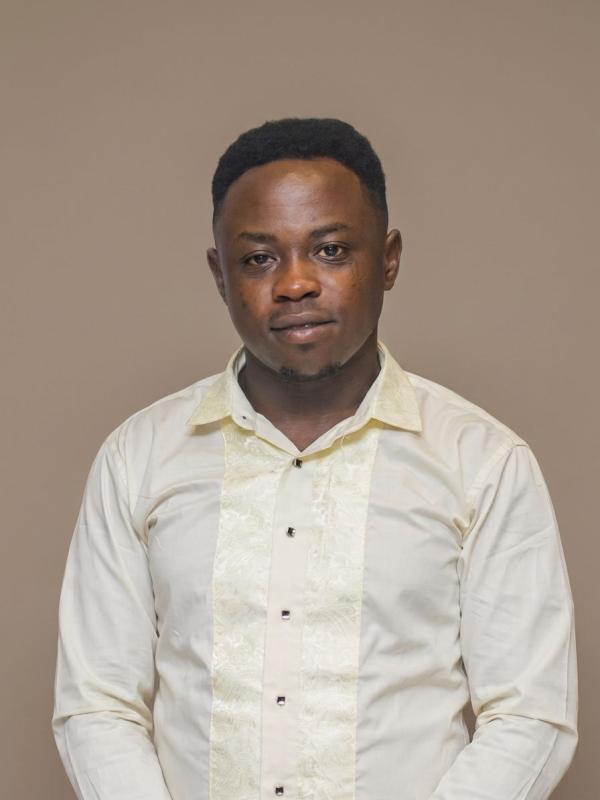
InReach: the Cameroonian engineer who wants AI to translate the web into sign language
Published yesterday
Can AI sign language translation open the web to deaf people? In Cameroon, engineer Duclair Fopa Kuete and his team are building InReach, a tool designed to translate digital content into sign language without websites having to change. A profile for developers, founders and anyone who builds for the web.
More than 300 sign languages, and a web that speaks none
There are more than 70 million deaf people worldwide, according to the World Federation of the Deaf, cited by the United Nations. More than 80% of them live in developing countries. Together, they use more than 300 sign languages.
Online, information travels mostly through text and spoken video. For someone whose first language is a sign language, a web page is a page in another language.
That is the gap Duclair Fopa Keute set out to close.
Sign language translation on the user's device
InReach turns the problem around. Instead of asking every website to change, the tool is designed to translate content on the user's side. That is how Duclair described it in an interview published in December 2025 by the newsletter The African Innovators Series.
Processing happens on the device and works offline, he says. Text is first converted into SignWriting, a writing system for sign languages. Then into 3D poses, which an animated character performs on screen.
One more sign language, one more model
That written step has a practical consequence. Adding a sign language means training a single translation model, he explains.
The team lists Cameroonian Sign Language among its examples. It plans to move on to other African sign languages.
Built with deaf teachers
The first prototype was built in three months. It was tested with more than 25 deaf teachers, whom the team calls co-creators.
The tool is planned as a browser extension, a web app and mobile apps. The team has not yet shared user numbers.
From Dschang to the Presidential Special Prize
Duclair started computer science at the University of Dschang in 2018, then taught Python at a high school in Cameroon's West Region. He co-founded InReach with Leonel Kelias Tuegno Tagne and Chu Princewill.
In November 2025, in Bafoussam, he took first place in a regional health innovation challenge. Eight months later, on 30 July 2026, he was one of twenty candidates given eight minutes each to win over the jury of Digital Innovation Week in Yaoundé.
The next day, he received the Presidential Special Prize, worth 10 million CFA francs, the Ministry of Posts and Telecommunications announced. His rule fits in two words: "Build anyway."
The open question
Cameroon placed its 2026 Digital Innovation Week under the banner of AI. InReach shows one precise use of it: opening access to information for people who are shut out.
The question is who will fund the work on each African sign language tomorrow, together with the deaf communities who use them.