

Madagascar: 80% of the Population Still Offline
Published on May 21, 2025
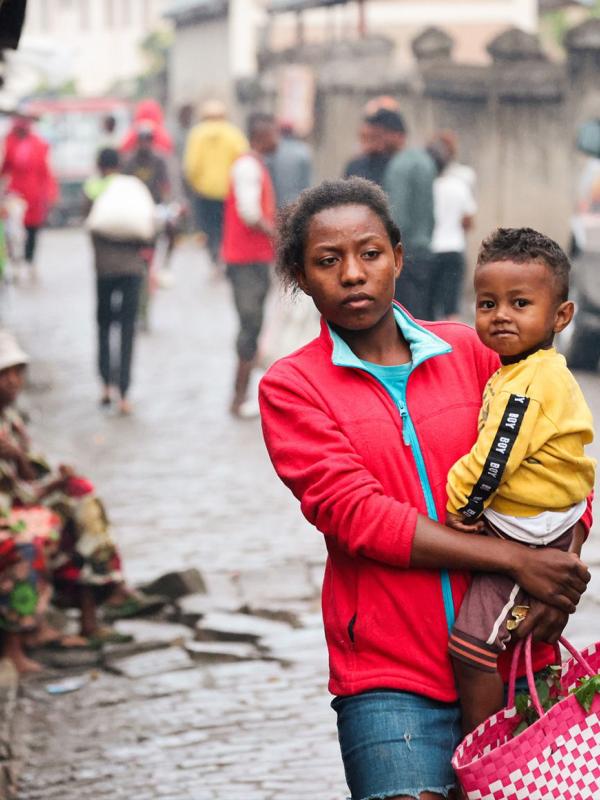
Madagascar is currently facing a major challenge: nearly 80% of its population remains disconnected from the internet. This alarming figure reflects a social and economic reality with serious consequences. At a time when digital access has become essential for information, education, and participation in the modern economy, millions of Malagasy people are still left on the sidelines of this revolution.
Why Such a Digital Divide?
This massive disconnection is rooted in several deep structural factors. First, there is the issue of territorial inequality: most of the population lives in rural areas, where access to electricity and network coverage remains extremely limited. This makes internet use technically difficult—or even impossible.
Added to this is the high cost of access. Since 2024, the price of one gigabyte of mobile data has doubled, creating a disproportionate burden for households with very modest incomes. When you consider that the median salary in Madagascar barely exceeded €20 per month in 2024**, that 10% of workers capture 46.2% of total national income, and that a basic mobile internet plan starts at around €3.50/month with Orange, the roots of this digital divide become much clearer.**
Not to mention that very few women and young people in rural areas have access to a smartphone or a personal internet connection. For many, digital access remains a luxury reserved for the wealthier segment of the population.
Initiatives Are Emerging
In response to this situation, several initiatives are being launched to bridge the gap. The DECIM program, supported by the World Bank, plans to distribute more than 600,000 smartphones, primarily targeting women and the most isolated regions.
Other efforts, such as the PRODIGY project, aim to modernize the digital infrastructure of public administration, making access to essential services easier. At the same time, more local initiatives are multiplying: mobile digital centers, innovation hubs, and energy solutions adapted to off-grid areas are beginning to emerge.
Although these efforts remain fragmented, they clearly show that solutions do exist.
Relocating Data to Make It More Accessible
In this evolving ecosystem, some local companies are making a quiet but essential contribution.
This is exactly where we want Hodi to play a role. As a local web hosting provider, we have chosen to support project leaders, startups, and educational organizations that are building digital solutions made in Madagascar. We believe digital access should not be a privilege reserved for a connected minority, but a lever for transformation available to everyone.
Madagascar’s digital divide is real—but it is not inevitable. With political commitment, social innovation, and stronger involvement from local players, Madagascar can successfully achieve its digital transition.
The challenge is enormous: it is not only about connecting a country, but about giving every citizen the opportunity to become an active participant in the world of tomorrow.