

DIASE – Preventing Diabetes in Mauritius
Published on July 11, 2025
Since its creation in 2014 in Mauritius, DIASE (Diabetes Safeguard) has been committed to preventing, detecting, and supporting people affected by diabetes, as well as their families. All of this is done through an inclusive approach and free of charge, specifically for the most vulnerable populations.
A Project Born from the Field
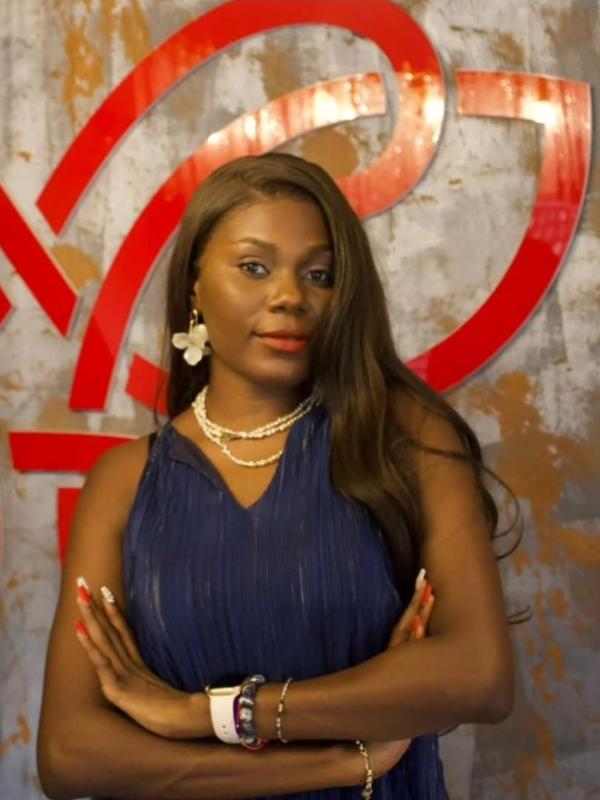
It all started with Rani Balloo, a passionate nurse deeply aware of the challenges surrounding childhood diabetes. After conducting a pediatric research project, she realized that the stigma around the disease often prevents parents and young patients from managing it properly. With the support of partners such as the University of Mauritius, DIASE was founded in 2014.
A Comprehensive and Inclusive Initiative
DIASE provides:
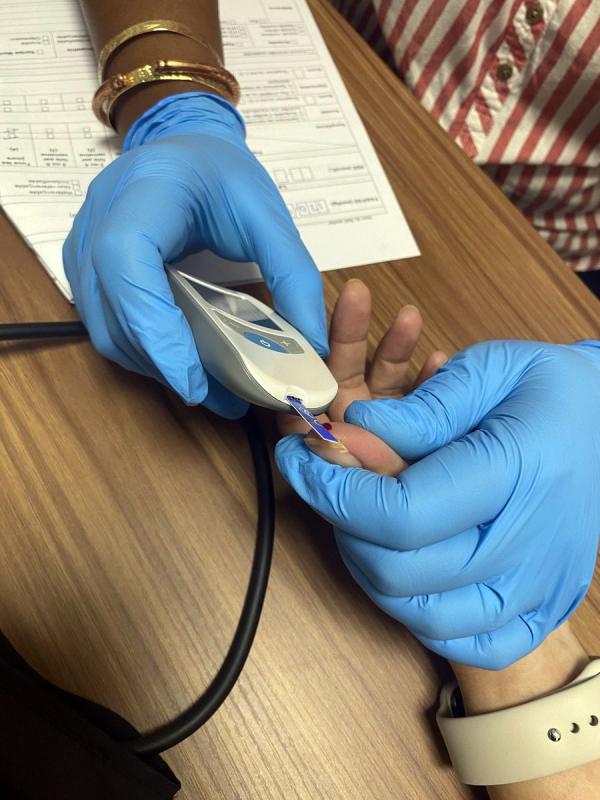
- Prevention & screening through awareness campaigns, conferences, and workshops.
- Comprehensive medical support, including free consultations with doctors, cardiologists, endocrinologists, podiatrists, and wound care specialists—especially for financially vulnerable groups.
- Educational workshops for patients and families, offering clear guidance on nutrition, physical activity, and day-to-day disease management.
- Tailored physical activities, particularly designed for pregnant women affected by gestational diabetes.
Impact in Numbers
In nearly 11 years, DIASE has reached thousands of people, strengthening prevention efforts and improving access to care for the most vulnerable. It has also raised awareness of a concerning trend: the average age of type 2 diabetes diagnosis is decreasing, with cases appearing as early as age 14, and blood sugar spikes becoming more common during festive periods.
Why Hodi Recommends Them
At Hodi, we value concrete initiatives: not big speeches, but actions that truly change lives. DIASE embodies this vision—acting locally, freely, professionally, and above all, with humanity.
Explore the DIASE website