


Attack surface: cybersecurity through the lens of Abraham Wald.
Published on July 5, 2024
Abraham Wald, through his theory of the survivorship bias, demonstrated the importance of not focusing solely on visible vulnerabilities. In cybersecurity, the attack surface refers to all potential entry points where an attack could occur—both visible and hidden. Hodi now offers an Attack Surface service in partnership with v6Protect.
The more entry points there are, the harder it becomes to secure them all. A single weak point can be exploited by hackers to steal sensitive data, deploy malware, or disrupt your operations. It is therefore essential to monitor and protect your entire attack surface to prevent security breaches.
Avoid survivorship bias
During World War II, engineers sought to reinforce aircraft damaged by enemy fire. They analyzed returning planes and identified the most frequently hit areas in order to strengthen them. Abraham Wald, however, pointed out that these aircraft had survived despite the damage. The planes that did not return had been hit in critical, unobserved areas. Focusing only on visible damage created a survivorship bias, overlooking the fatal weaknesses of the aircraft that were shot down.
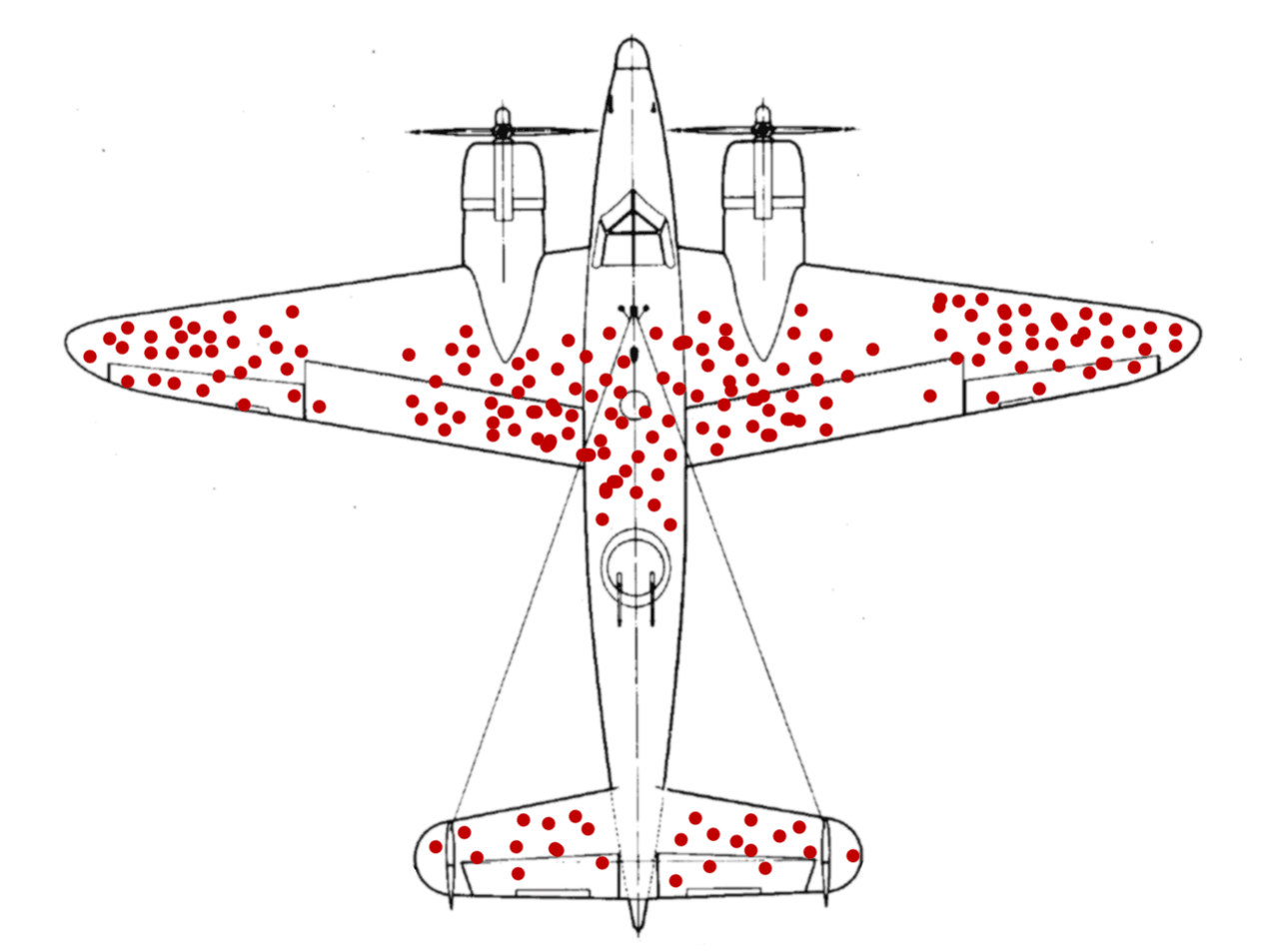
In the context of cybersecurity, survivorship bias means focusing only on visible vulnerabilities or known attacks, while overlooking hidden flaws or threats that have not yet been exploited. To properly secure your digital “aircraft,” the Soobik team analyzes the entire attack surface—not just the obvious entry points or attacks that have already been observed failing.
Attack Surface Can Help You
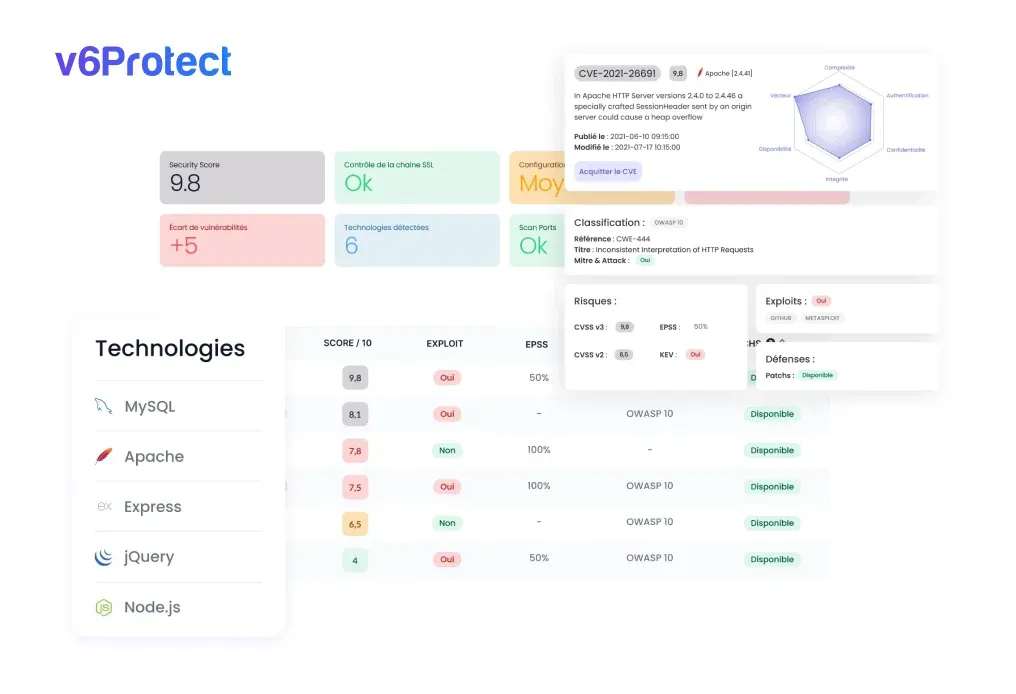
Our product, Attack Surface Monitoring, is designed to map and continuously monitor entry points in real time, analyzing emerging threats to enable a proactive and comprehensive defense approach.
Unlike reactive approaches, v6Protect anticipates threats that traditional solutions may miss, ensuring broad and continuous coverage of both known and potential vulnerabilities.
- Proactive protection: Identification and real-time handling of threats.
- Vulnerability mapping: Comprehensive exploration of the attack surface to detect hidden weak points.
- Continuous monitoring : Constant tracking of threats for immediate responsiveness.
In summary, understanding and mapping your attack surface is the first step toward effectively protecting your organization against cyber threats. The analogy of Abraham Wald reminds us that true security is not just about reinforcing the areas that appear to be under attack, but about understanding and protecting the entire system. v6Protectperfectly embodies this approach.
Strengthen your system to ensure its resilience—and that it keeps performing mission after mission.
Discover Attack Surface